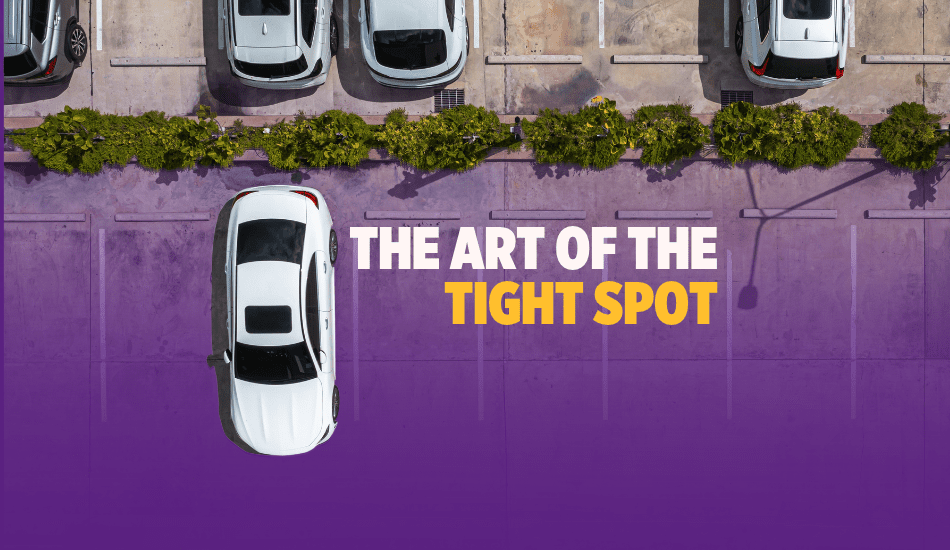
Parking has a strange ability to turn perfectly calm adults into people negotiating with geometry.
You have driven through city traffic, survived three roundabouts and followed directions from someone who said “turn here” after you had already passed the street. Then you see one narrow parking space and suddenly everything feels very serious.
It does not have to.
Good parking is less about confidence and more about slowing down, setting yourself up properly and accepting that sometimes the second attempt is the better attempt. Most awkward parking moments happen because we rush the beginning, misjudge the angle or feel pressured by the car waiting behind us. Give yourself a few extra seconds and the whole thing becomes much easier.
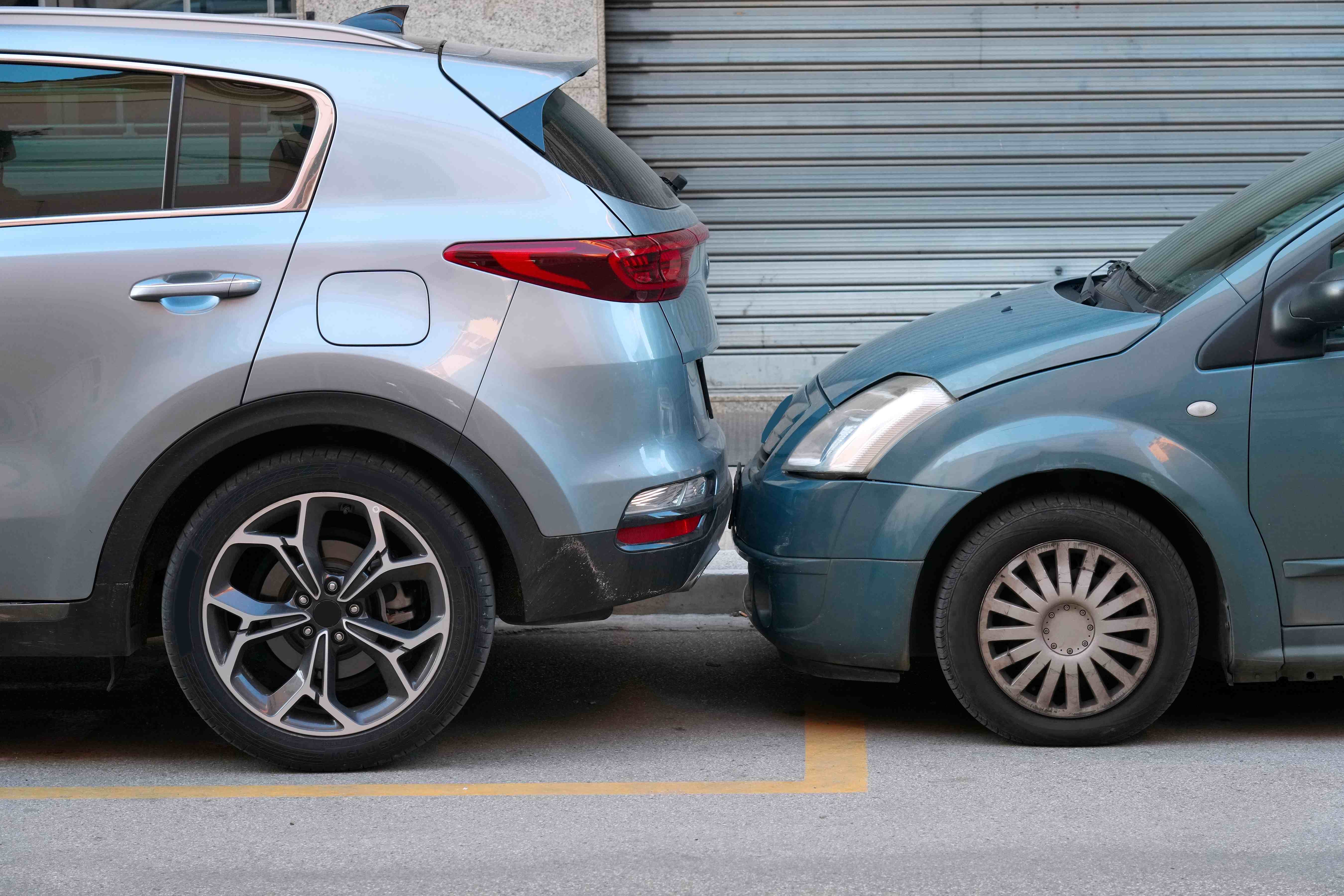
Parallel parking is usually the maneuver people fear most, but it becomes far less dramatic once you stop treating it like one perfect movement. Pull alongside the car in front of the space, leave enough room between the vehicles and start reversing slowly. As the rear of your car moves into the space, turn in, straighten gradually and then steer the other way to bring the front around. The exact timing will vary depending on the size and shape of the car, so forget the idea that there is one magical reference point that works every time. The real trick is simply moving slowly enough to notice when something needs correcting.
And correction is completely normal. If the angle feels wrong, pull forward a little, straighten up and try again. Nobody is keeping score, and there is no bonus prize for getting into the space in one heroic sweep. A calm second attempt is much better than forcing the first one and spending the next five minutes wondering how you ended up that close to the pavement.
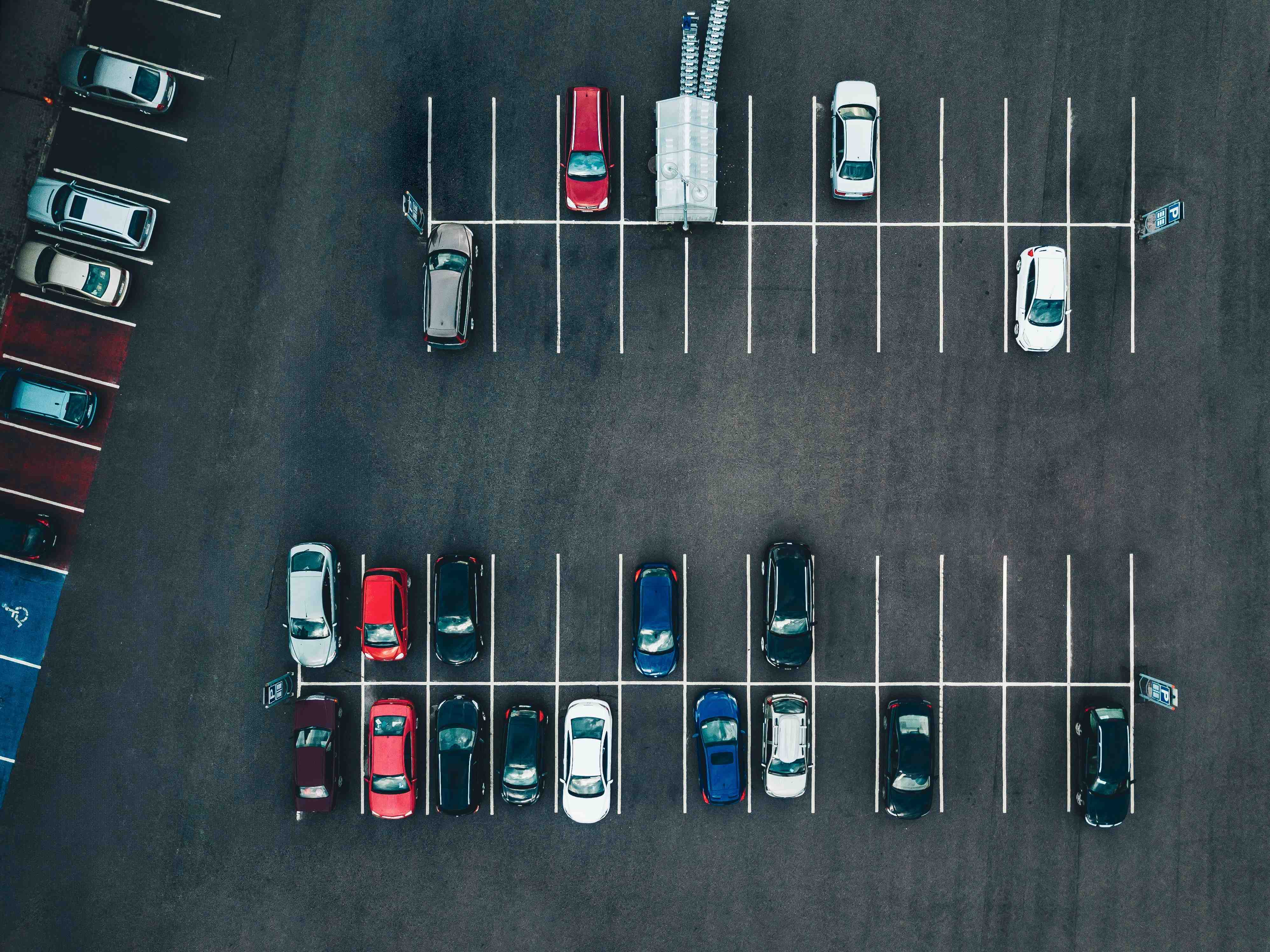
Reversing into a regular parking bay follows much the same logic. Give yourself enough room before turning, keep the movement slow and use both mirrors to check whether the car is sitting evenly between the lines. If one side starts getting too close, stop and adjust before continuing. Small steering movements are usually more useful than dramatic corrections, especially once most of the car is already inside the space. The bonus is that reversing in often makes leaving easier later, which future you may appreciate very much.
Then there are the spaces that look as though they were designed for a bicycle but someone has optimistically painted car-sized lines around them. Before committing, take a second to judge whether the vehicle will actually fit comfortably and, more importantly, whether you will be able to open the doors afterward. A perfect parking job is slightly less impressive if you have to climb across the passenger seat to get out.
Modern cars can make all of this much easier. Parking sensors, reversing cameras and 360-degree cameras are there to help, so absolutely use them. Just do not let the screen become the only place you look. Mirrors still matter, and so does physically checking around the vehicle for pedestrians, cyclists, low walls, posts and anything else that technology might not show clearly. Think of the camera as a very helpful assistant, not the person solely responsible for the entire operation.
The hardest part of parking may actually be ignoring the audience. Someone is waiting behind you. A pedestrian has stopped nearby. A person with a coffee has suddenly decided your parallel parking attempt is the most compelling event of the morning. None of that matters. Rushing because someone else is impatient is one of the easiest ways to make the maneuver harder than it needs to be. Take the extra few seconds. They will survive.
And sometimes, the smartest parking decision is not to take the space at all. If it looks uncomfortably tight, if visibility is poor or if you are already imagining the door-opening gymnastics required afterward, keep going. There is no shame in choosing the easier spot thirty metres away and walking an extra minute.
The real art of parking is not squeezing into every available gap. It is knowing how to position the car, when to make a small correction and when to decide that this particular space can become somebody else’s problem.
Slow down, use your mirrors, trust the technology without depending entirely on it, and remember that a second attempt still counts.
Because the best parking job is the one that ends with the car straight, the mirrors intact and nobody needing to leave through the passenger side.